
When Coping Becomes a Way of Life
- Gemini Thomson
- Dec 16, 2025
- 2 min read
Over time, she began to notice a pattern.
During stressful periods, she’d withdraw emotionally. She became quieter, more inward, less playful. The parts of her that were curious, light, and spontaneous slowly faded into the background.
Not because she was depressed — but because staying emotionally open felt effortful.
She didn’t describe herself as stressed. She was functioning. Responsible. Capable. But her body carried a constant sense of tension, as though it never quite stood down.
This is the kind of chronic stress that doesn’t always register as a problem — especially when it’s familiar, longstanding, and wrapped up in being “fine.”
Many people live this way for years.
Emotional Coping and the Nervous System
When emotional withdrawal becomes a default coping strategy, it often happens quietly and gradually.
Rather than feeling overwhelmed or panicked, the body stays subtly braced. Alert, but not alarmed. Contained, but not relaxed.
This can look like:
Feeling emotionally flat or slightly disconnected
Losing a sense of playfulness or spontaneity
Persistent tension or low-level anxiety
Exhaustion that doesn’t quite lift
A sense of coping rather than fully living
People often respond by becoming more self-reliant, more contained, more “together.”
It’s understandable.
It’s also costly.
The Role of Connection in Emotional Regulation
What began to shift things for her wasn’t a lifestyle overhaul or a push to “think more positively.” It was the experience of being in relationships where she didn’t have to hold herself together in quite the same way.
Not perfect relationships. Not constant closeness.
There were still moments of withdrawal, disconnection, and misunderstanding — as there always are.
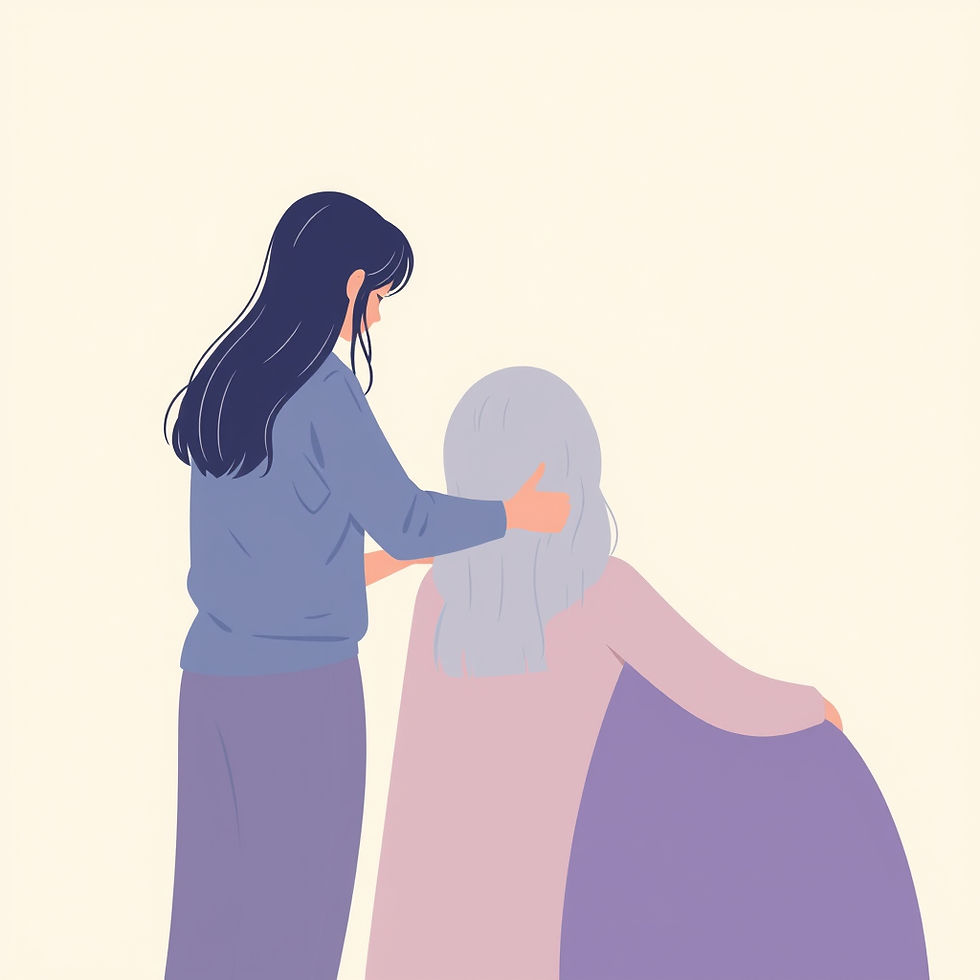
But alongside those moments came repair. Warmth. Emotional responsiveness. A sense that when she drifted inward, someone noticed — and gently stayed available.
That’s when her nervous system began to change.
Why Emotional Isolation Matters
Long-term emotional isolation — even when it’s subtle — keeps the nervous system in a low-grade state of alert.
Not fight-or-flight. Just “on guard.”
Over time, this can show up as:
Anxiety or health worries
Irritability or emotional shutdown
Chronic stress or burnout
A vague sense of emptiness or flatness
Because it doesn’t feel dramatic, people often minimise it. They cope. They manage. They push through.
Until something inside starts to feel quietly depleted.
Therapy as a Relational Experience
Therapy isn’t about being emotionally open all the time.
It allows for withdrawal, pauses, resistance, and even silence

. All of that belongs.
What matters is that there’s someone there — consistent, attuned, and not pulling away when things go quiet, uncomfortable, or messy.
For many people, that in itself is new.
Over time, therapy can help the nervous system learn something different:
I don’t have to disappear to stay safe.
From there, things like energy, playfulness, and emotional connection often return — not because they’re forced, but because they’re no longer risky.
A Gentle Invitation
If you recognise yourself in this — coping well, functioning on the surface, but feeling slightly removed from life or from yourself — therapy can be a place to explore that.
Not with pressure to change.Not with a demand to perform.
Not to fix you.
But to offer a steadier, more responsive kind of connection — and see what becomes possible from there.


Comments