
Why Does Uncertainty Feel Like a Threat?
- Gemini Thomson
- Apr 27
- 2 min read
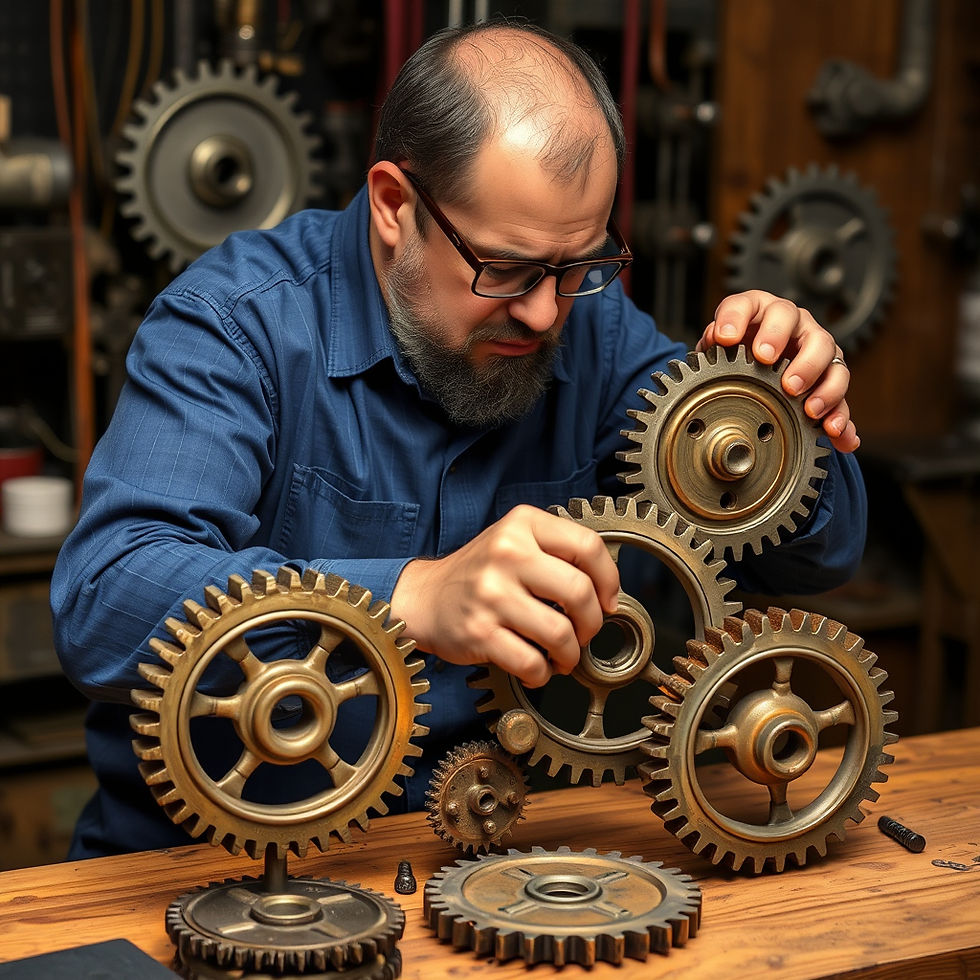
He had already checked the train times four times. The meeting wasn’t until Thursday. It was Monday evening.
He knew the timetable wouldn’t change. He put the phone face down, made tea, and picked it up again.
He was good at his job — thorough, dependable. When plans changed at the last minute, he felt something he described as irritation, though it was closer to dread.
He wouldn’t have said he had anxiety. He would have said he was organised.
What Is the Control Pattern?
The Control pattern develops in environments where unpredictability carried a cost — a household where the atmosphere changed without warning, or a parent whose reactions were hard to read.
The lesson the child learns is simple: if I manage the variables, I manage the outcome.
Order becomes a way of regulating the system. Over time, the nervous system stops settling fully, staying alert to what might change next.
By adulthood, this way of functioning feels like personality.
Signs of the Control Pattern
You feel uneasy when plans are unclear or change suddenly
You check, prepare, or plan more than others around you
You feel responsible for things running smoothly
You struggle to relax when something is uncertain
Other people’s lack of structure feels frustrating or destabilising
The Cost of Always Being in Control
This pattern often leads to a life that works well on the surface and feels tiring underneath.
Rest feels earned rather than natural.Flexibility feels risky rather than neutral.The present moment becomes less relevant than what still needs managing.
How to Start Shifting It
Understanding the pattern doesn’t mean removing structure. Much of it is useful.
The shift is in noticing the difference between:
organisation you choose
organisation that feels compulsory
And beginning to ask:
Is this helping me right now, or is it something I feel I have to do?
The Control adaptation is one of six described in the Adaptive Pattern Model, developed by Gem Thomson, BABCP-accredited psychotherapist at Connection Psychotherapy.
Read the full version at https://www.connection-psychotherapy.com/understand-your-patterns
Take the free Pathway Tool https://www.connection-psychotherapy.com/emotional-patterns-quiz


Comments